The short answer
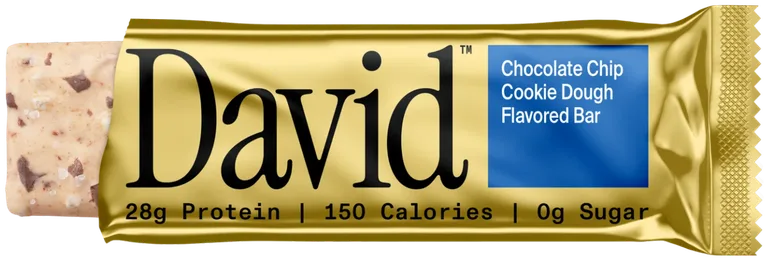
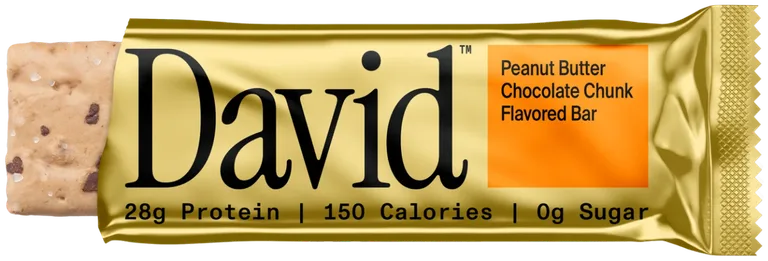
A good protein bar has a lot more protein and a lot less sugar than a candy bar. A Snickers has 4g of protein and 27g of sugar. A David protein bar has 28g of protein and 0g of sugar, in fewer calories. But not every protein bar is that good, so you still have to read the label.
Protein bars and candy bars look a lot alike. Both come in a wrapper, both are often chocolate, and both promise flavors like cookie dough and caramel. So what is actually different? The short answer: what is inside. The long answer is below.
The numbers, side by side
Here is how two classic candy bars compare with three protein-forward bars. Numbers come from each nutrition label.
| Bar | Calories | Protein | Sugar |
|---|---|---|---|
| Snickers (1.86 oz) | 250 | 4g | 27g |
| Hershey's Milk Chocolate (1.55 oz) | 220 | 3g | 24g |
| David Peanut Butter Chocolate Chunk | 150 | 28g | 0g |
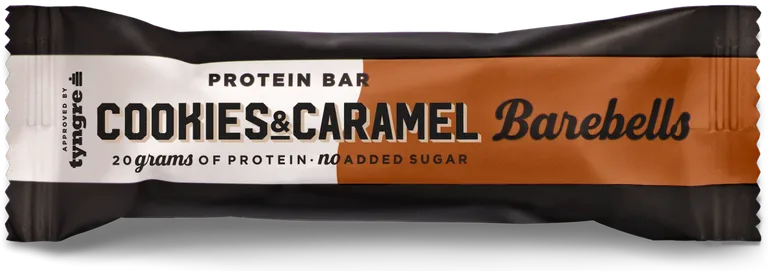
| Barebells Cookies & Caramel | see label | 20g | see label |
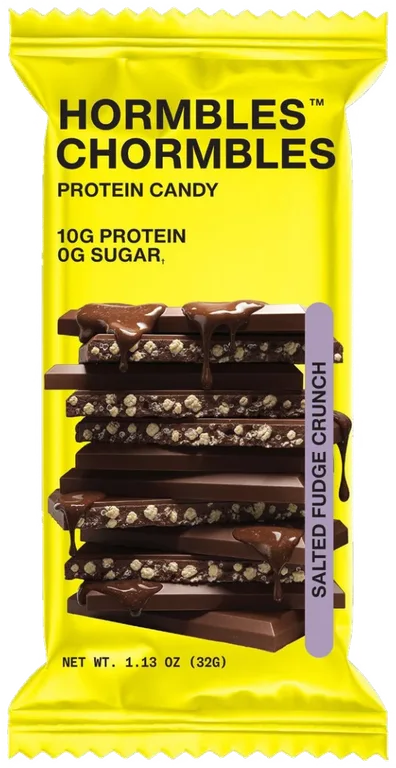
| Hormbles Chormbles Salted Fudge | see label | 10g | 0g |
The gap is big. A Snickers gets most of its calories from sugar and fat. The David bar gets most of its calories from protein.
How to see it for yourself: protein per calorie
Protein has about 4 calories per gram. So you can do quick math on any bar:
- Snickers: 4g of protein is about 16 calories, out of 250. That is a small slice.
- David bar: 28g of protein is about 112 calories, out of 150. That is most of the bar.
You do not need to do this every time. But try it once or twice, and you start to see which bars are built around protein and which ones just have a little sprinkled in.
Where the sweetness comes from
Candy bars get their sweetness from sugar. Protein bars with low or zero sugar still taste sweet, so they use something else. Common options are sugar alcohols (like erythritol or maltitol), allulose, and high-intensity sweeteners like stevia or sucralose.
These lower the sugar number. Some people find that sugar alcohols upset their stomach, especially in large amounts, so start with one bar and see how you feel. We cover this in more detail in what are sugar alcohols and allulose.
When a protein bar is really a candy bar
Some bars put "protein" in big letters on the front and still have a candy bar's numbers on the back. Signs to watch for:
- Low protein for the calories. If a bar has 250 calories and 8g of protein, most of it is not protein.
- High added sugar. Double-digit added sugar puts it close to candy territory.
- A big serving size. Some bars are large, so the per-bar numbers look better or worse than you expect.
- Protein from cheap fillers. Look at the ingredient list. The protein source should be near the top.
A protein bar is not automatically healthy, and a candy bar is not poison. It is about what you want the snack to do. If you want it to help with your protein goal, the label tells you if it can.
So which should you eat?
If you want a treat, eat the treat and enjoy it. If you want a snack that tastes like a treat and also helps you hit your protein goal, a good protein bar is a real option now. The texture has come a long way. Bars like Barebells are chewy and caramel-y, and Hormbles Chormbles makes a fudgy candy bar with 10g of protein and no sugar.
If sweet snacks are your weak spot, see our list of high-protein sweet snacks.
The problem: every bar is a gamble
Protein bars vary a lot in taste and texture, and a box of 12 of one flavor is a big commitment. Most people find their favorite only after a few duds.
finds box takes the gamble out. Each box has 10 snacks and drinks, like protein bars, protein candy, and more, and every item is high in protein, high in fiber, or low in sugar. A real person on our team tasted and approved each one. You pay once, shipping is included, and you can see the macros for each item before you buy.
Common questions
A good one has much more protein and much less sugar. But some protein bars have numbers close to a candy bar, so check the label.
Many people do. Pick one with a short list of things you recognize, and pay attention to how sugar alcohols sit with your stomach.
They use sweeteners like sugar alcohols, allulose, stevia, or sucralose instead of sugar. Those do not count as sugar on the label.