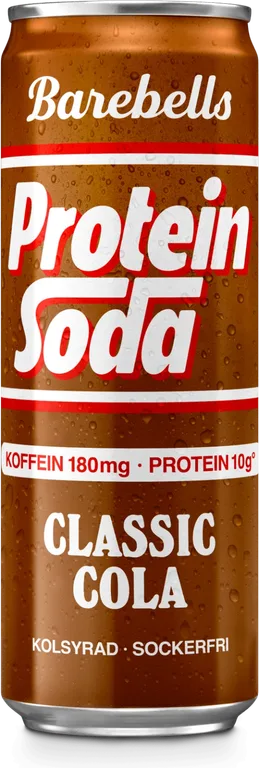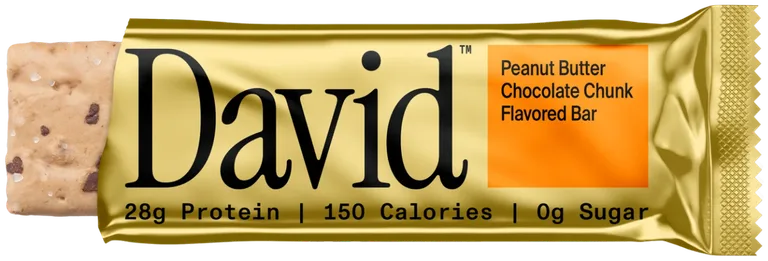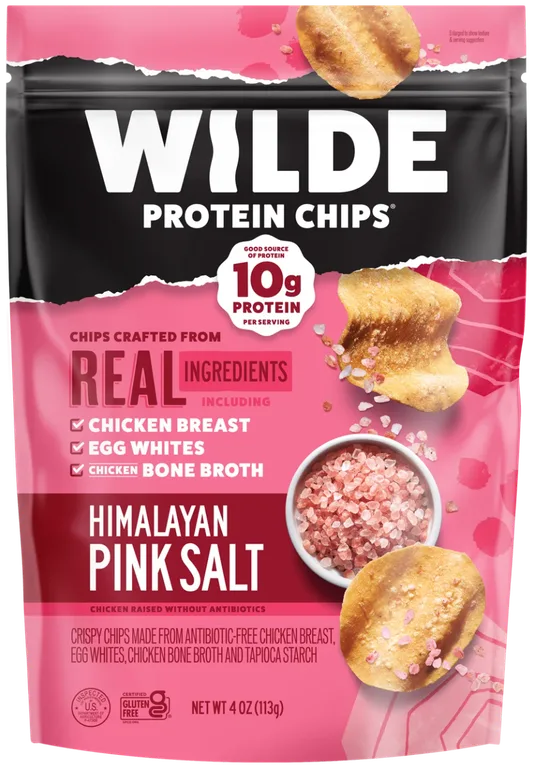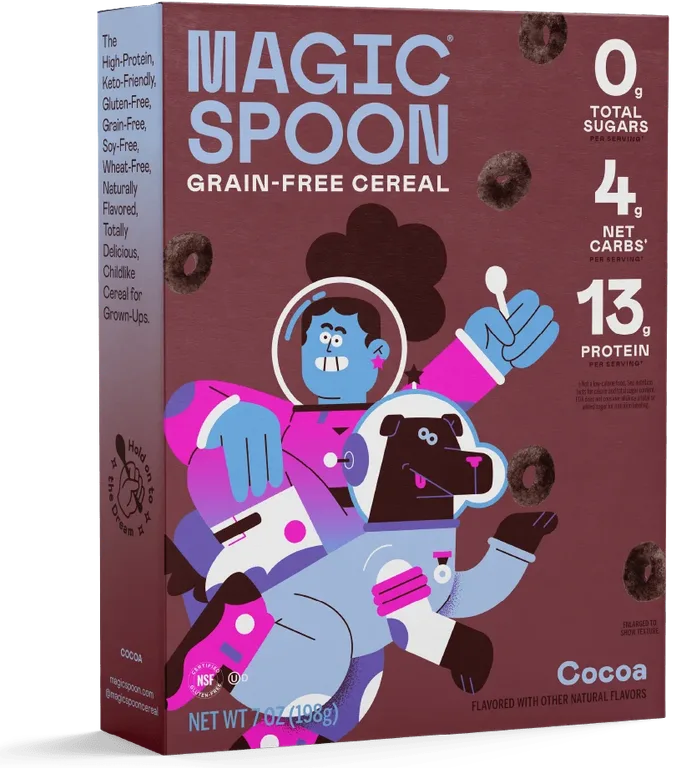
The short answer
Sugar alcohols (like erythritol, xylitol, and maltitol) and allulose are sweeteners that give a snack sweetness with fewer calories than table sugar. Sugar alcohols are neither sugar nor alcohol, and some can upset your stomach in large amounts. Allulose is a "rare sugar" that the FDA lets brands leave out of the total and added sugars counts.
If you have ever looked at a "0g sugar" bar and wondered where the sweet comes from, the answer is usually one of these. They are in a lot of protein bars, low-sugar candy, and keto snacks. Knowing the difference helps you pick snacks that taste good and sit well.
What are sugar alcohols?
Sugar alcohols are a group of sweeteners. The name is confusing: they are not sugar, and they are not the alcohol in drinks. The name comes from their chemical shape, which looks a bit like both.
Some show up in small amounts in fruits and vegetables. The ones in snacks are usually made at scale. Common names on ingredient lists:
- Erythritol. Very common in zero-sugar snacks and drinks.
- Xylitol. Common in gum and mints. It is very toxic to dogs, so keep these snacks away from pets.
- Maltitol. Common in sugar-free chocolate.
- Sorbitol. Common in sugar-free gum and candy.
Your body does not fully absorb most sugar alcohols. That is why they have fewer calories than sugar. It is also why they can cause trouble.
Why sugar alcohols can upset your stomach
The part your body does not absorb travels to your gut, where it can pull in water and get fermented by gut bacteria. For some people, a large amount means gas, bloating, or a run to the bathroom.
People react very differently. Some can eat a whole bar with no issue. Others feel it after a few bites. Maltitol and sorbitol tend to cause more trouble than erythritol for many people.
If a new snack leaves you bloated, check the ingredient list for names that end in "-itol." That is a good clue.
What is allulose?
Allulose is a "rare sugar." It is found in tiny amounts in foods like figs and raisins, and brands make it at scale for snacks. It tastes a lot like regular sugar, and it browns and bakes like sugar, which is why snack brands like it.
Here is the key part: your body does not use allulose the way it uses regular sugar. Because of that, the FDA lets brands leave allulose out of the "Total Sugars" and "Added Sugars" lines on the label. It still counts toward total carbs, at a lower calorie value than sugar.
Many people find allulose easier on the stomach than some sugar alcohols. But large amounts can still cause stomach upset for some people.
How they show up on the label
| Sweetener | Counted in Added Sugars? | Where to spot it |
|---|---|---|
| Table sugar, honey, syrups | Yes | Added Sugars line |
| Sugar alcohols | No | Ingredient list, and sometimes a "Sugar Alcohol" line under carbs |
| Allulose | No | Ingredient list, and in Total Carbohydrate |
| Stevia, monk fruit | No | Ingredient list |
So a "0g sugar" claim tells you about sugar. It does not tell you how the snack is sweetened. The ingredient list does.
How to pick a low-sugar snack that works for you
- Check the ingredient list, not just the front. Find the sweetener by name.
- Start with one serving. Especially with a sweetener you have not tried.
- Notice what works. If one sweetener bothers you, look for snacks that use a different one.
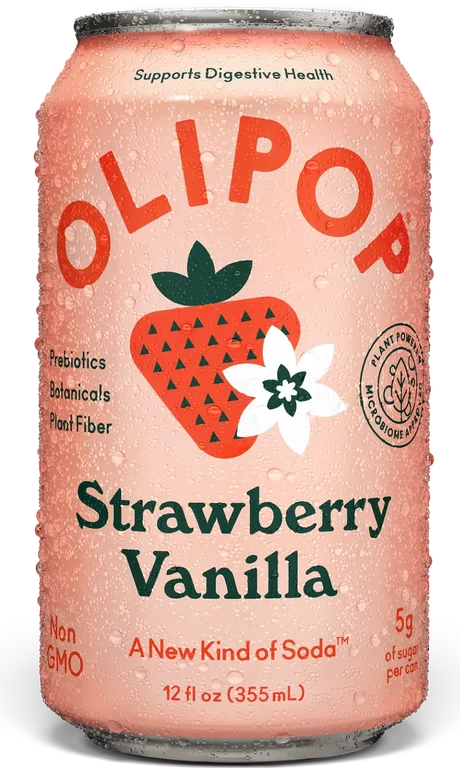
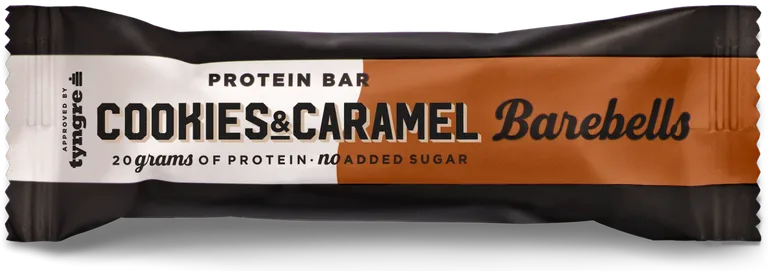
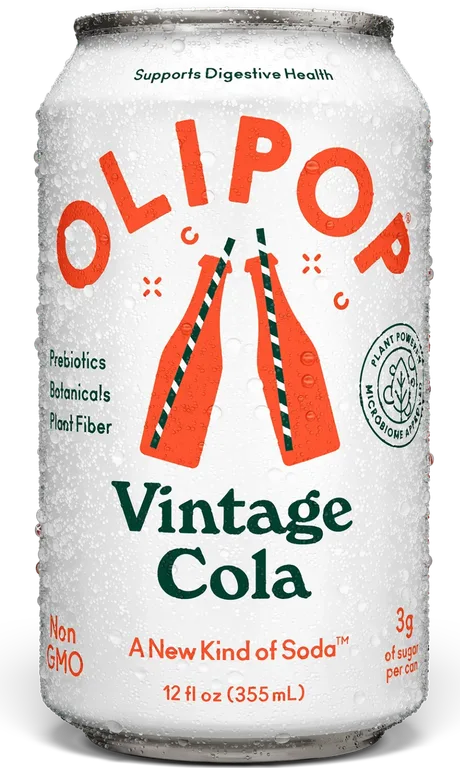
- Look for a bonus. Protein or fiber makes a low-sugar snack more filling. Magic Spoon Cocoa Cereal has 13g of protein and no sugar. Barebells Cookies and Caramel bar has 20g of protein. OLIPOP Vintage Cola has 3g of sugar a can.
For the bigger picture on sugar limits, see how much added sugar per day is too much.
The easy way to find your favorites
Since everyone reacts a little differently, the best way to find your snacks is to try a few. That is hard when each one comes in a case of 12 from a small brand.
finds box puts 10 low-sugar, high-protein, or high-fiber snacks and drinks in one box. Each one has its macros listed, and a real person on our team tasted and approved it. Try a few sweeteners, learn what your stomach likes, and then stock up on the winners.
Common questions
The common ones are allowed in food in the US. Some people get stomach upset from large amounts. If you have a health condition, ask your doctor.
Sugar alcohols, allulose, and fiber all count toward total carbohydrates, even when the sugar line says zero.
No. Allulose is a rare sugar, not a sugar alcohol. The FDA lets it be left out of the total and added sugars counts.