The short answer
Food noise is a casual name for constant, intrusive thoughts about food: what you will eat next, what is in the pantry, whether you should have a snack. Many people on GLP-1 medications say the noise gets much quieter. When it does, it helps to snack on purpose, with small snacks that bring protein or fiber, instead of waiting for hunger cues that may barely show up.
If you have heard someone on Ozempic or Mounjaro say "the food noise is gone", you are not alone in wondering what that means. It is not a medical term. It is a phrase people started using to describe something that is hard to explain until it stops.
This article explains what people mean by food noise, why it comes up so often with GLP-1 medications, and how to snack well once it fades. It is not medical advice. If thoughts about food feel distressing, talk to your care team.
What food noise feels like
People describe food noise in different ways, but the stories sound alike:
- Thinking about the next meal while you are still eating this one.
- Knowing exactly which snacks are in the kitchen, all day long.
- Feeling pulled toward food when you are bored, stressed, or tired, not hungry.
- Spending a lot of mental energy deciding whether or not to eat something.
It is not about willpower. Many people with a lot of food noise are very disciplined. They just spend a lot of effort on it.
Why people on a GLP-1 talk about it
GLP-1 medications act on the signals that tell your body it is full. Many people who take them say that, along with a smaller appetite, the background chatter about food gets quieter. Some describe it as relief. Others find it strange at first.
Not everyone notices a change, and the effect can vary from week to week or with dose changes. Your experience is your own.
Quiet food noise is not the same as not needing food. Your body still needs protein, fiber, and fluids, even when your brain stops asking for them.
The new problem: forgetting to eat
When food noise fades, some people swing the other way. They skip meals without noticing, then feel tired, shaky, or low on energy later. Many care teams suggest eating on a loose schedule, rather than waiting for hunger, so you still get the protein and nutrients you need.
That is where planned snacks come in. A snack is no longer a battle with cravings. It is a small, easy way to keep fuel coming in.
How to snack when the noise is quiet
Think "on purpose" instead of "on impulse". A few ideas:
- Pick a time, not a feeling. Mid-morning and mid-afternoon are common snack windows. Set a reminder if it helps.
- Choose snacks that pull their weight. If you eat less, each bite should bring protein or fiber. See how much protein you need on a GLP-1.
- Keep portions small. A few bites can be enough. Read why smaller snacks work better on a GLP-1.
- Make it something you like. When you are not hungry, a boring snack is easy to skip. A snack you look forward to gets eaten.
Here are some snacks that fit, with numbers from each label where we have them.
| Snack | Why it works |
|---|---|
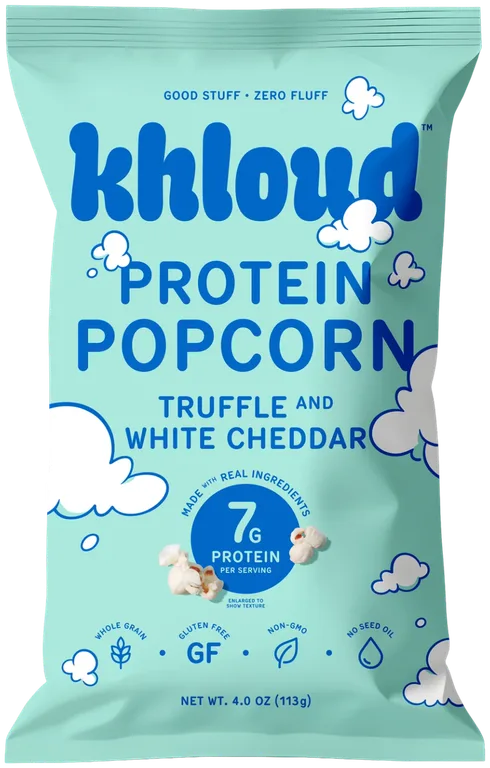
| KhLoud protein popcorn | 7g protein, light and easy to eat a little of |
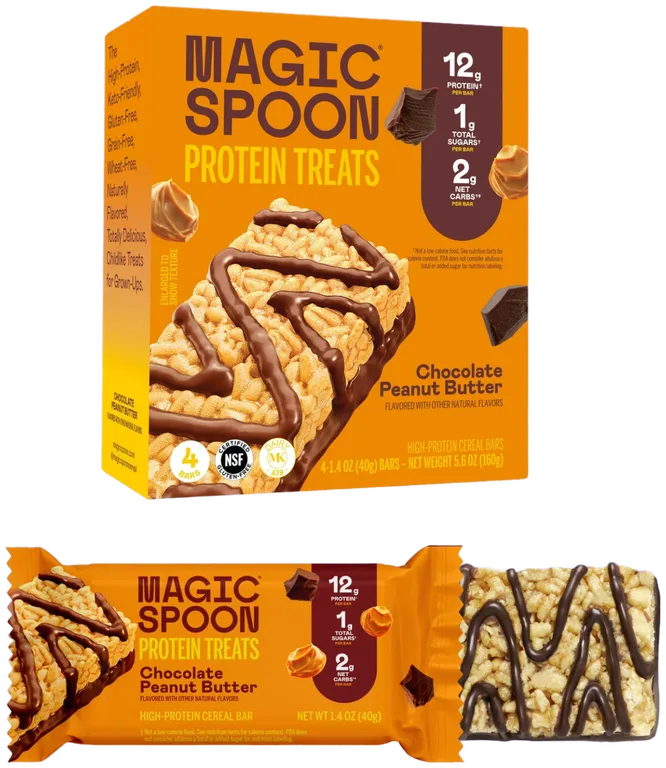
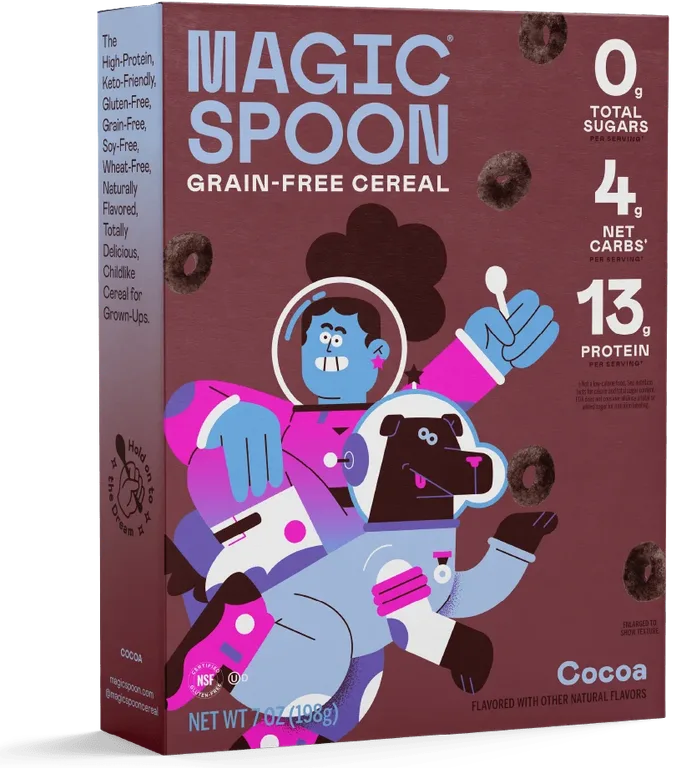
| Magic Spoon cereal | 13g protein, 0g sugar, good dry by the handful |
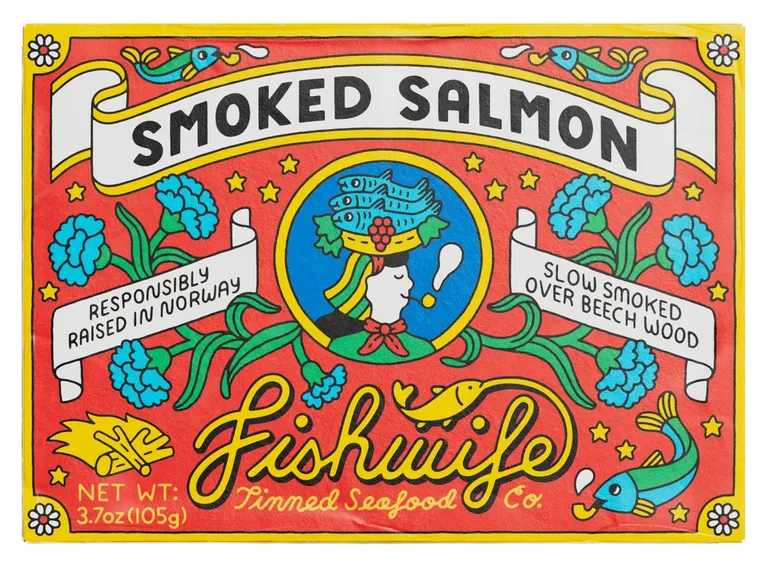
| Fishwife smoked salmon | Ready to eat from the tin, a savory protein snack |
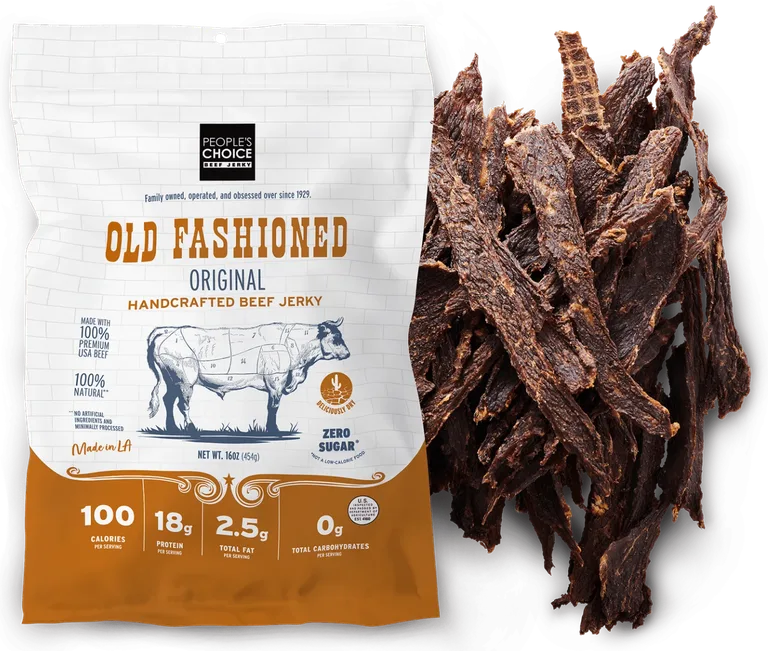
| People's Choice beef jerky | 18g protein, 0g sugar |
When the cravings come back
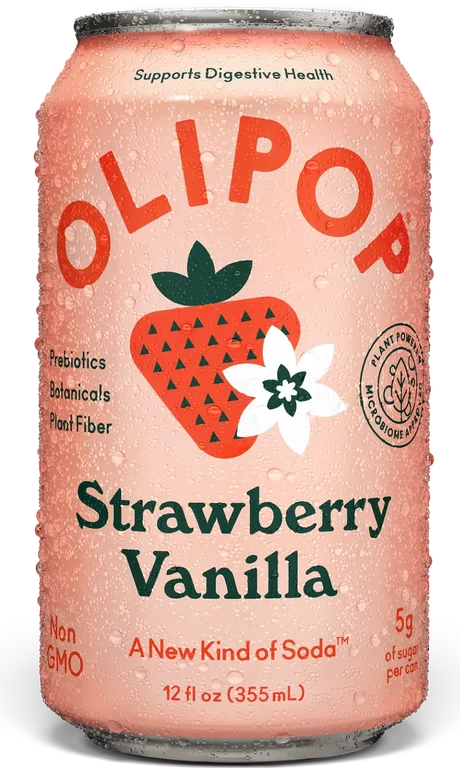
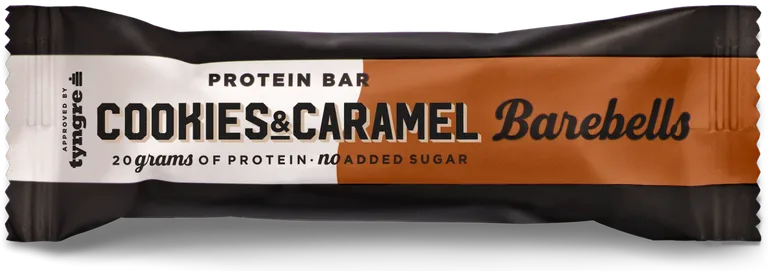
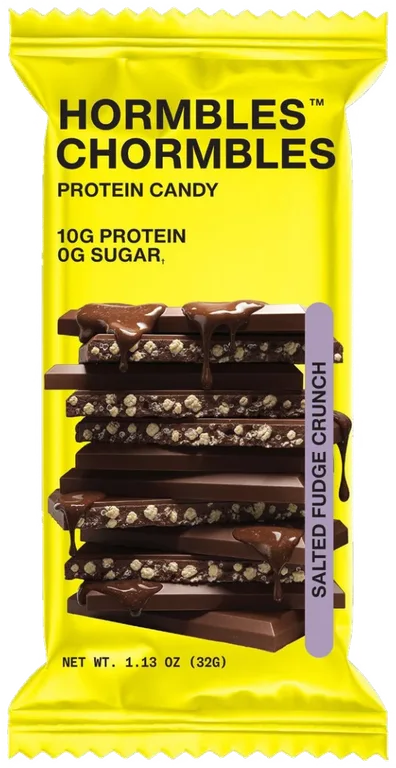
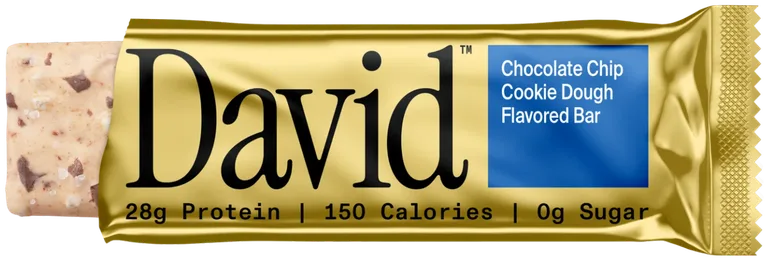
Food noise can return, for example between doses, after a missed dose, or when you stop the medication. That is normal, and it is worth planning for. Keep a few better-for-you swaps on hand so the snack you reach for still does some good. A protein candy bar in place of a regular one, or a fiber soda in place of a regular soda, can make a real difference over time.
Try a box of on-purpose snacks
The snacks that fit this way of eating are often from small brands, and a lot of them only come in cases of 12. That is a lot to buy when you are still figuring out what sounds good.
finds box gives you 10 snacks and drinks in one box. Each one is high in protein, high in fiber, or low in sugar, and the macros are listed for every item. Find a few you like, keep them where you can see them, and snack on your schedule.
Common questions
No. It is an informal phrase people use for constant thoughts about food. If those thoughts feel distressing, talk to your care team.
Some people say it does. Ask your care team what to expect for your plan, and keep better-for-you snacks on hand.
Many care teams suggest eating on a loose schedule so you still get enough protein and nutrients. Check with your own care team about what fits you.