The short answer
Dark chocolate can be a better pick than milk chocolate, but it is still a treat. A higher cacao percentage usually means less sugar and more cocoa, which brings a little fiber. It still has fat and calories, so the healthiest dark chocolate is the one you enjoy in a small amount.
Dark chocolate has a great reputation. People call it a superfood, a health snack, even a reason to eat chocolate every day. Some of that is real, and some of it is wishful thinking. Here is the honest version.
What makes chocolate "dark"
All chocolate starts with cacao beans. The beans become cocoa solids (the brown, bitter part) and cocoa butter (the fat). Chocolate makers mix those with sugar, and milk chocolate adds milk too.
Dark chocolate has more cocoa and less of everything else. The percentage on the wrapper tells you how much of the bar comes from cacao.
| Bar label | What it means |
|---|---|
| 50% to 60% | Sweet dark chocolate. About half the bar is cacao. |
| 70% to 75% | Classic dark. Less sweet, more bitter. |
| 85% and up | Very dark. Not much room left for sugar. |
The rest of the bar is mostly sugar. So a higher percentage almost always means less sugar. That is the simplest reason dark chocolate beats milk chocolate on the label.
The good parts
- Less sugar than milk chocolate. For comparison, a 1.55 oz Hershey's Milk Chocolate bar has 24g of sugar. A high-percentage dark bar of the same size usually has a lot less. Check the label for the exact number.
- Some fiber. Cocoa solids bring a bit of fiber, which milk chocolate mostly lacks.
- Cocoa compounds. Cocoa has natural plant compounds called flavanols, which researchers study a lot. How much a bar keeps depends on how it is made.
The parts the hype skips
- It is still calorie-dense. Cocoa butter is fat. A full bar of dark chocolate is a lot of calories.
- It has caffeine. Darker chocolate tends to have more. Worth knowing if you like a square after dinner.
- "Dark" is not a health claim. Some bars marketed as dark are not very high in cacao. Read the percentage and the sugar line.
Rule of thumb: pick a percentage you actually enjoy. A 90% bar you hate is not healthier if it makes you reach for a candy bar later.
How to pick a good dark chocolate bar
- Check the cacao percentage. 70% is a good place to start.
- Read the added sugars line. Compare a few bars. The numbers vary more than you would think.
- Look at the ingredient list. Shorter usually means cacao, sugar, maybe vanilla. That is fine.
- Mind the serving size. Many bars count as two or three servings.
Other ways to get your chocolate fix
Dark chocolate is not the only low-sugar chocolate option anymore.
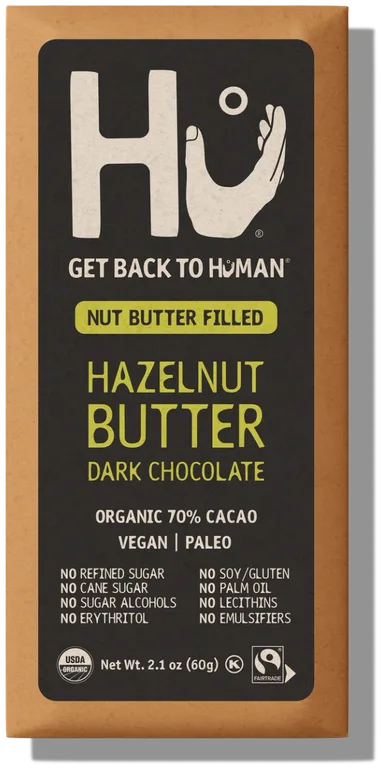
- Hu Hazelnut Butter Dark Chocolate is organic dark chocolate filled with hazelnut butter. It feels like a real dessert.
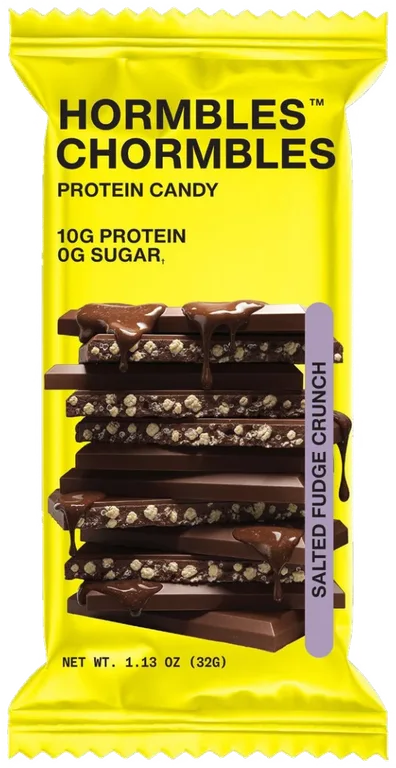
- Hormbles Chormbles Salted Fudge is a fudgy protein candy bar with 10g of protein and zero sugar.
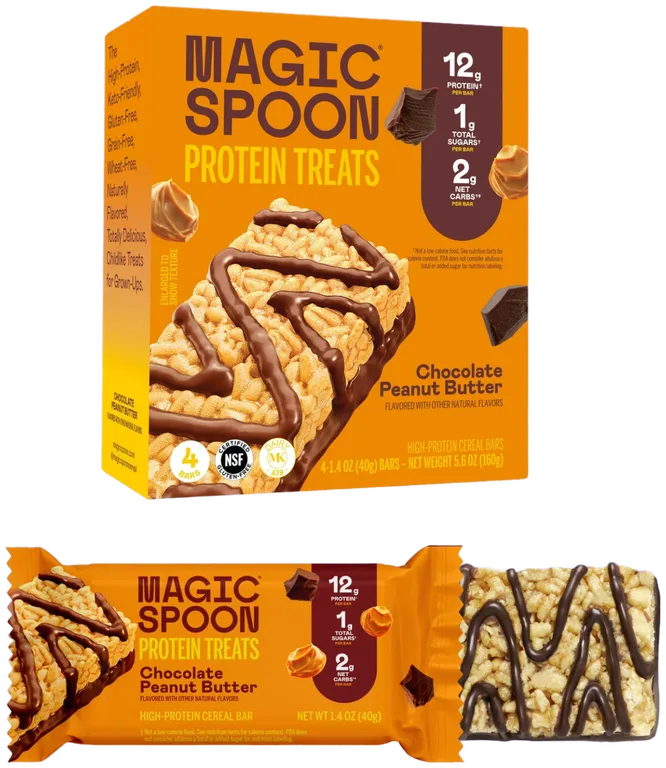
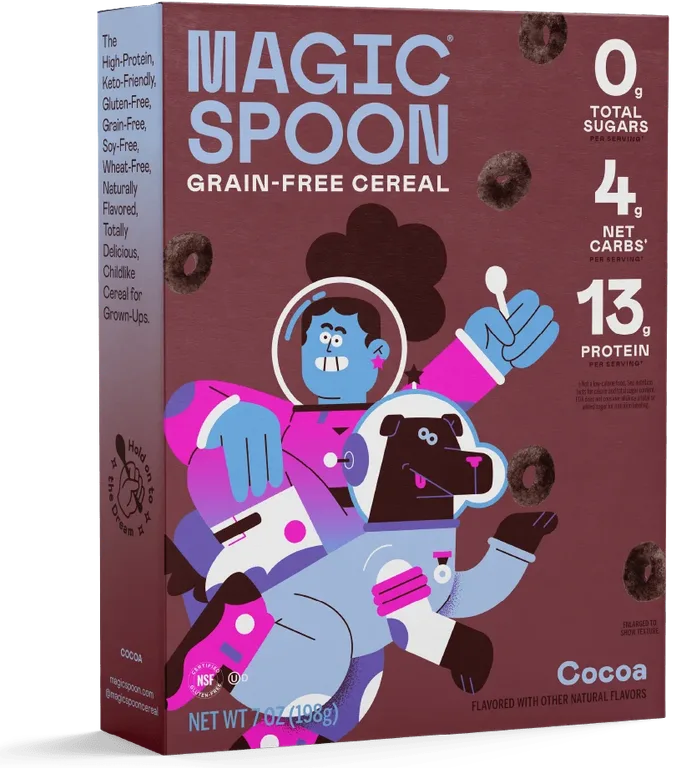
- Magic Spoon Cocoa Cereal has 13g of protein and no sugar, and it scratches the chocolate itch by the handful.
For more chocolatey options, read our guides to low-sugar candy and high-protein sweet snacks.
Try more than one bar
Chocolate taste is personal. Some people love bitter 85% bars. Others need a filling or a little salt. The fun part is finding yours, but small-brand chocolate and protein candy often come in big multipacks.
finds box lets you try 10 snacks and drinks in one box. The mix varies by box. Curated boxes show a few teasers; the rest is a surprise. You can also build your own and make it mostly chocolate. We will not judge.
Common questions
Higher percentages usually mean less sugar. 70% or more is a common starting point, but the best bar is one you enjoy in a small amount.
Yes. Cocoa has some caffeine, and darker chocolate tends to have more than milk chocolate.
It is usually lower than milk chocolate, but not always low. Check the added sugars line on the label.