The short answer
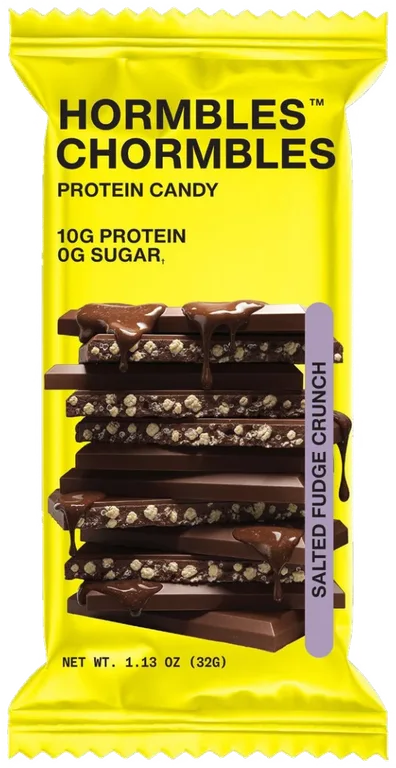
Good low-sugar candy exists now, and the best of it tastes like the real thing. Look for single-digit added sugar, a sweetener that agrees with your stomach, and a bonus like protein. Hormbles Chormbles, for example, makes a fudgy candy bar with 10g of protein and zero sugar.
For a long time, "sugar-free candy" meant chalky chocolate and gummies that tasted like a dentist's office. That has changed. Small brands now make candy bars, crispy treats, and fudgy bites that taste like dessert, with a fraction of the sugar.
The tricky part is telling the good ones from the sad ones before you buy. Here is how.
How much sugar is in regular candy?
First, a baseline. These numbers come straight from the nutrition labels of two candy bars you know.
| Candy bar | Serving | Sugar |
|---|---|---|
| Snickers | 1.86 oz bar | 27g |
| Hershey's Milk Chocolate | 1.55 oz bar | 24g |
The FDA Daily Value for added sugars is 50g. So one regular candy bar can use up about half of it. That is not a crime. It just means a low-sugar bar gives you a lot more room in your day.
What to look for on the label
Flip the wrapper over and check these things.
- Added sugars. The Nutrition Facts label must list "Includes Xg Added Sugars." This is the number to watch. Single digits is a good target for a treat.
- The sweetener. Low-sugar candy gets its sweetness from somewhere else. Common picks are allulose, sugar alcohols (like erythritol or maltitol), stevia, and monk fruit. Some people find that sugar alcohols upset their stomach in large amounts. Read our guide to sugar alcohols and allulose to see the difference.
- Protein or fiber. The best new candy does more than skip sugar. A bar with protein or fiber is more filling, so one piece feels like enough.
- Serving size. A "low-sugar" bag with four servings is only low sugar if you stop at one.
Low-sugar candy picks that taste like candy
Here are three we like, with the numbers from each label.
| Treat | What it is | The numbers |
|---|---|---|
| Hormbles Chormbles Salted Fudge | A fudgy candy bar | 10g protein, 0g sugar |
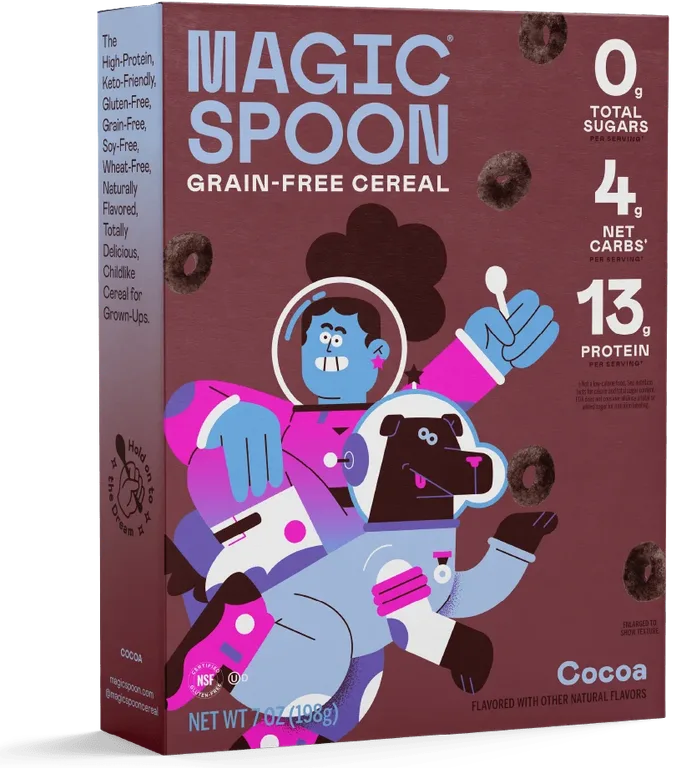
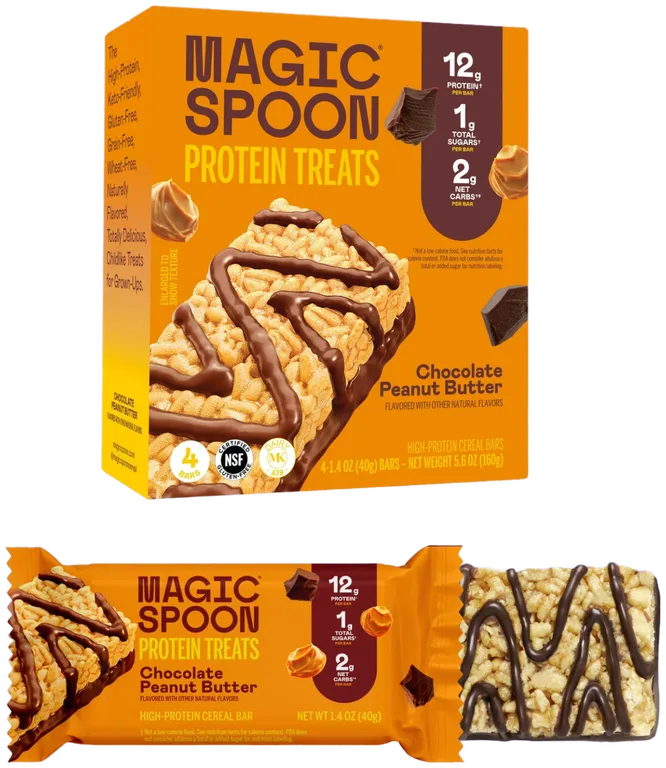
| Magic Spoon Chocolate Peanut Butter Protein Treats | A crispy treat, like a rice crispy bar | 12g protein, 1g sugar |
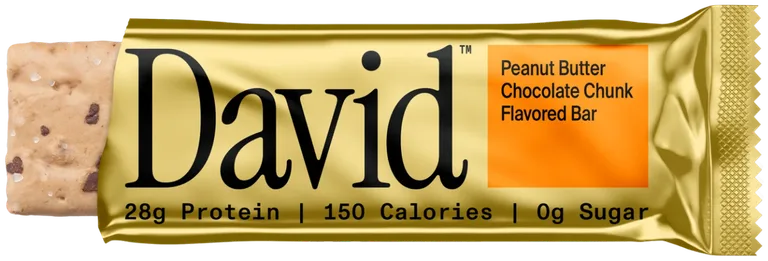
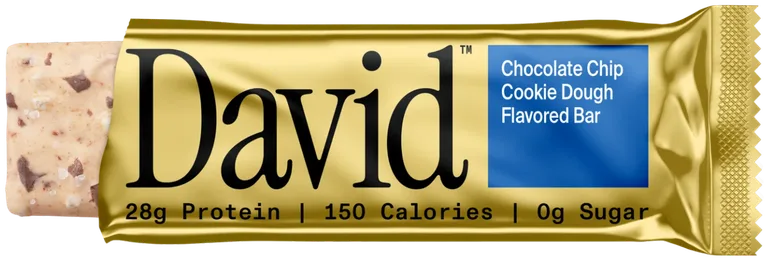
| David Chocolate Chip Cookie Dough Bar | A protein bar that eats like dessert | 28g protein, 0g sugar, 150 calories |
Compare the Hormbles bar to a Hershey's bar: 24g of sugar against zero, and 3g of protein against 10g. That is a big swing for something that still tastes like fudge.
Tip: taste a new low-sugar candy on its own first. Some sweeteners taste a little different, and it is easier to tell if you like it when you are not eating it next to the real thing.
Low-sugar candy mistakes to skip
- Eating the whole bag because it is "healthy." Low sugar does not mean zero calories. Check the calories, too.
- Going big on sugar alcohols on day one. If a product leans on sugar alcohols, start with one serving and see how you feel.
- Buying a case before you try it. Taste is personal. A bar your friend loves might not work for you.
How to try a bunch without buying a bunch
Here is the catch. Most of the good low-sugar candy comes from small brands. Your store might carry one, and the rest are sold online in boxes of 12. That is a lot of fudge bars to commit to before you know if you like them.
finds box fixes that. We put 10 snacks and drinks in one box, with a few teasers shown and the rest kept as a surprise. You can also build your own box and fill it with only the sweet stuff. Try them all, then buy a case of the one you cannot stop thinking about.
Common questions
Under FDA rules, "sugar free" means less than 0.5g of sugar per serving. It can still have calories, and it often uses sugar alcohols or other sweeteners.
Some sugar alcohols, like maltitol and erythritol, can cause gas or bloating for some people in large amounts. Start with one serving of a new product.
It depends on the product and the kid. Check the label and serving size, and ask your pediatrician if you are not sure.