The short answer
The FDA Daily Value for added sugars is 50g a day, based on a 2,000 calorie diet. The Dietary Guidelines for Americans say to keep added sugars under 10% of your calories. One 12 oz can of Coca-Cola has 39g of sugar, so one regular soda gets you most of the way there.
"Too much sugar" is one of those things everyone agrees on and nobody can put a number on. The good news: there is a number, and it is printed on almost every package in your kitchen.
The official numbers
Here are the guidelines most people go by.
| Source | Added sugar limit |
|---|---|
| FDA Daily Value (on the Nutrition Facts label) | 50g a day, based on 2,000 calories |
| Dietary Guidelines for Americans | Less than 10% of daily calories |
| American Heart Association | About 25g a day for most women, about 36g for most men |
The AHA number is stricter. The FDA number is the one you will see on labels, as a percent of the Daily Value.
One teaspoon of sugar is about 4g. So 50g is about 12 teaspoons, and 25g is about 6.
Added sugar vs. total sugar
These are two different lines on the label, and the difference matters.
- Total sugars includes all sugar in the food. That counts the sugar that is naturally in fruit and milk.
- Added sugars is sugar put in during making: table sugar, honey, syrups, fruit juice concentrates, and so on. The FDA requires this line on the Nutrition Facts label, written as "Includes Xg Added Sugars."
The daily limits above are about added sugar. The natural sugar in a plain apple or a glass of milk is not part of that count.
What 50g looks like in real food
Here is how fast familiar snacks add up, using numbers from their labels.
| Snack | Sugar | Share of the 50g Daily Value |
|---|---|---|
| Coca-Cola, 12 oz can | 39g | 78% |
| Snickers, 1.86 oz bar | 27g | 54% |
| Hershey's Milk Chocolate, 1.55 oz bar | 24g | 48% |
A soda with lunch and a candy bar in the afternoon puts you over the line before dinner. And that is before the sugar hiding in sauces, bread, flavored yogurt, and coffee drinks.
Quick label trick: the FDA says 5% of the Daily Value or less is low, and 20% or more is high. Look at the %DV next to added sugars and you do not need to do any math.
Easy ways to cut back without feeling robbed
You do not have to quit sweet things. The biggest wins come from swapping the few items that carry the most sugar.
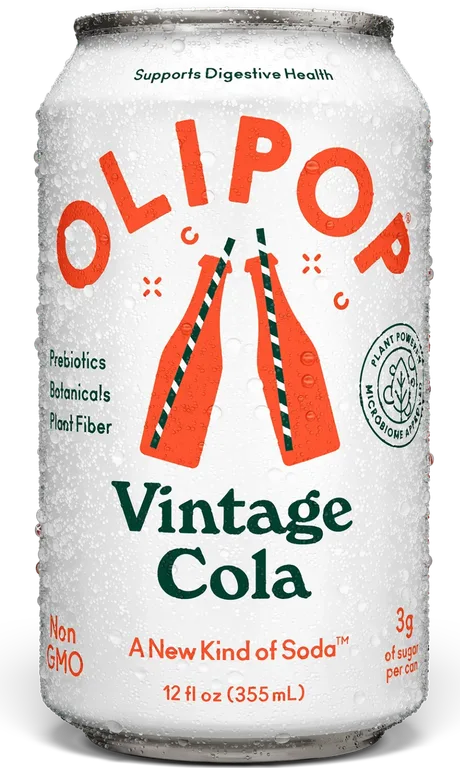
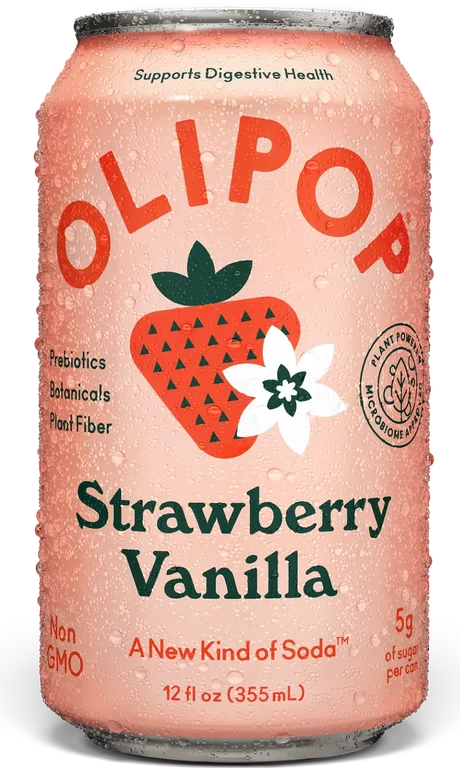
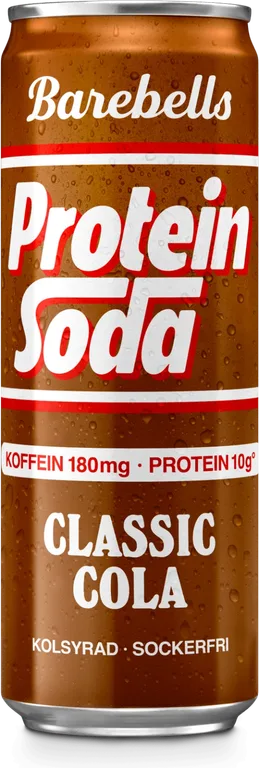
- Start with drinks. Soda, sweet tea, and juice are often the biggest source. A prebiotic soda like OLIPOP Strawberry Vanilla has 5g of sugar and 9g of fiber. Barebells Protein Soda has 0g of sugar and 10g of protein. See more in our guide to healthy soda alternatives.
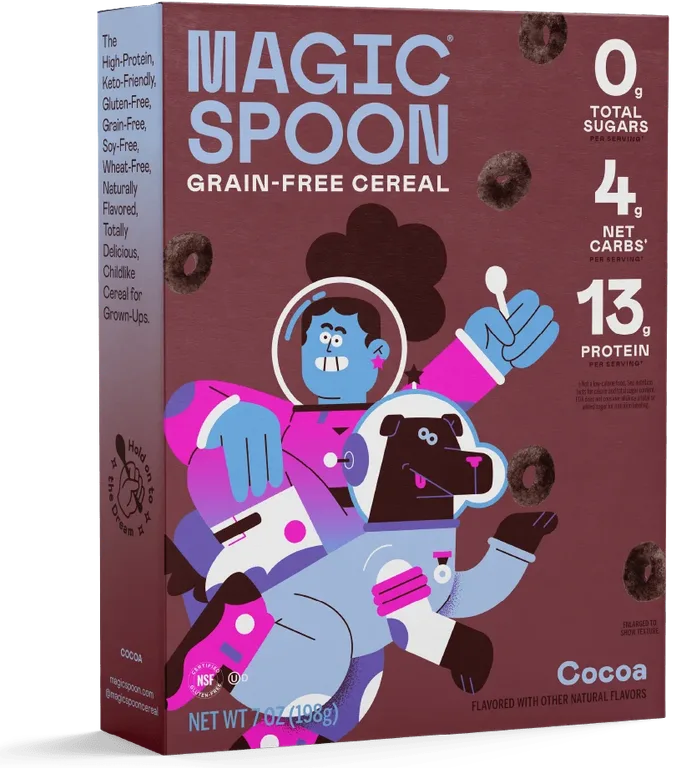
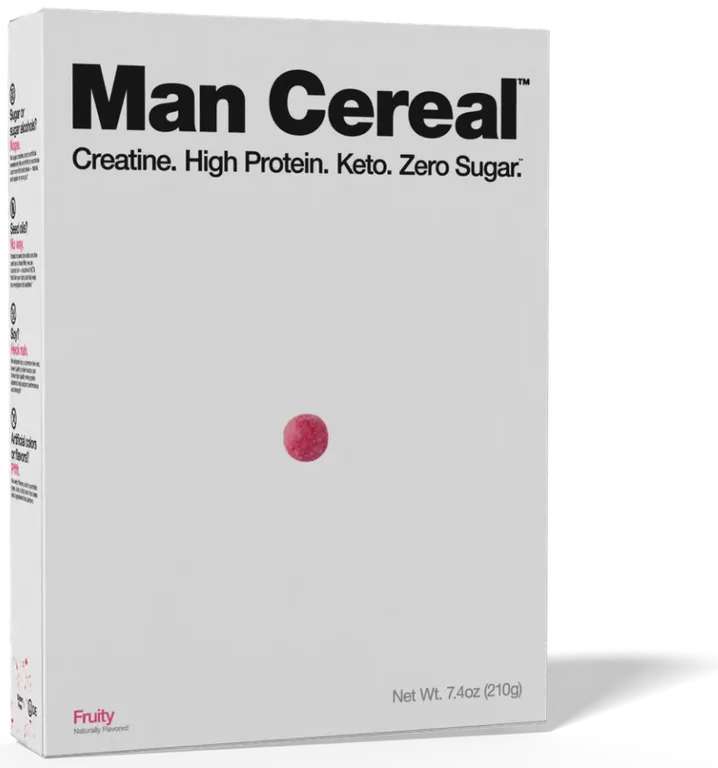
- Check your cereal. Some breakfast cereals are dessert in a bowl. Man Cereal Fruity has zero sugar and still tastes like the fruity cereal you grew up on.
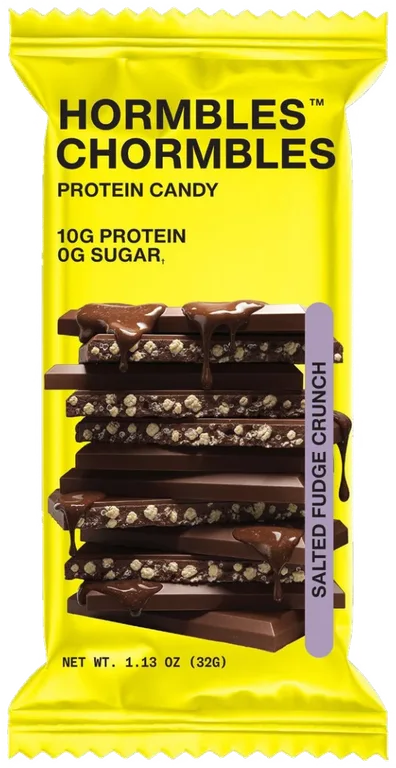
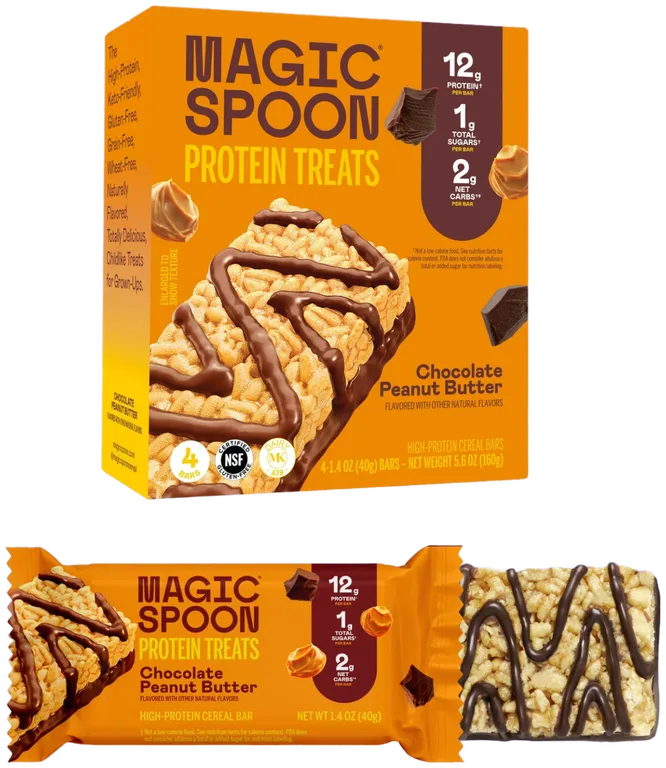
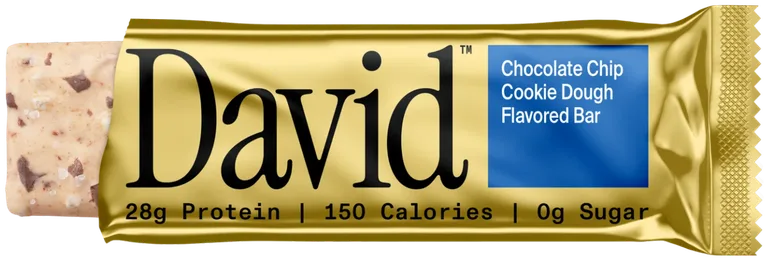
- Swap one treat a day. Trade a candy bar for a low-sugar one. Our low-sugar candy guide has picks.
- Read before you buy. Ten seconds with the label beats any diet rule.
Finding the low-sugar stuff that tastes good
The hard part is not knowing what to buy. It is finding snacks that are low in sugar and also taste good. Many of the best ones come from small brands, and they usually come in cases of 12.
That is why we made finds box. Every item is high in protein, high in fiber, or low in sugar, and we print the numbers for each one. You get 10 snacks and drinks in one box for one price, shipping included. No subscription. Keep the ones that fit your day, skip the rest.
Common questions
Not whole fruit. The sugar in a plain piece of fruit is natural sugar. Fruit juice concentrates added to a product do count as added sugar.
No. It is a limit, not a target. Less added sugar is fine.
Non-sugar sweeteners like stevia and monk fruit do not count. The FDA also lets allulose be left out of the total and added sugars lines.