The short answer
Plenty. Many people on a GLP-1 drink sparkling water, unsweetened tea, coffee, coconut water, protein drinks, and low-sugar sodas, alongside plain water. The main things to watch are added sugar, how carbonation feels in a fuller stomach, and how much you sip at once. Your care team can tell you if anything is off the table for you.
Staying hydrated comes up a lot on GLP-1 medications. When you eat less, you also get less water from food, and some people notice side effects like nausea or constipation. Many care teams remind patients to keep fluids up.
The trouble is that plain water gets old. This article covers what else you can drink, what to watch for, and some better-for-you options. It is not medical advice. Check with your care team, especially about alcohol and caffeine.
Why fluids matter on a GLP-1
A smaller appetite often means a smaller thirst, too. It is easy to go half the day without much to drink. Many care teams suggest sipping through the day instead of waiting until you feel thirsty.
Drinks can also be an easy way to get nutrition in. On days when food sounds like too much, a drink with protein or fiber can help fill the gap.
Drinks people reach for
| Drink | Good to know |
|---|---|
| Sparkling water | No sugar, lots of flavors. Some people find bubbles feel too full. |
| Unsweetened tea | Hot or iced, many flavors. Some teas have caffeine. |
| Coffee | Watch sugary add-ins. Ask your care team about caffeine. |
| Coconut water | Naturally has some sugar, so check the label. |
| Protein drinks and protein soda | Protein in a sip. Good on low-appetite days. |
| Fiber or prebiotic soda | Soda taste with less sugar than regular soda. |
What to watch for
Added sugar
Regular soda is the big one. A 12 oz can of Coca-Cola has 39g of sugar, which is most of the FDA's 50g Daily Value for added sugars. Juice, sweet tea, and coffee shop drinks can be just as high. On a GLP-1, that sugar takes up space without bringing protein or fiber. Learn more in how much added sugar per day.
Carbonation
Some people on a GLP-1 find fizzy drinks make them feel bloated or too full. Others are fine. If bubbles bother you, try letting a can go a little flat, sipping slowly, or switching to still drinks.
Gulping
Big gulps can make fullness worse. Many people find small, steady sips feel better than finishing a drink all at once.
Alcohol
Ask your care team. Alcohol adds calories with no protein, and some people find it hits differently on a GLP-1.
Tip: keep a bottle or can with you. Many people drink more when it is right there.
Better-for-you sodas worth a try
If you miss soda, there are good options now, with numbers from each label:
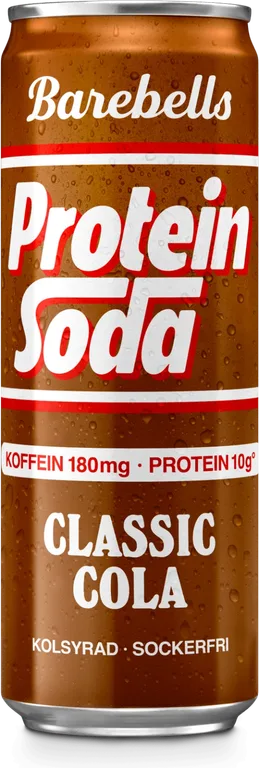
- Barebells Protein Soda. Classic cola with 10g of protein, 0g of sugar, and 50 calories.
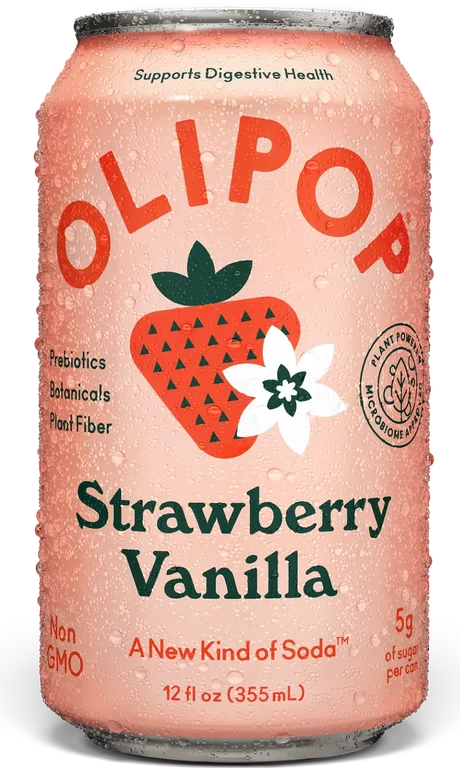
- OLIPOP Strawberry Vanilla. A prebiotic soda with 9g of fiber, 5g of sugar, and 45 calories.
- OLIPOP Vintage Cola. Prebiotic cola with 3g of sugar per can.
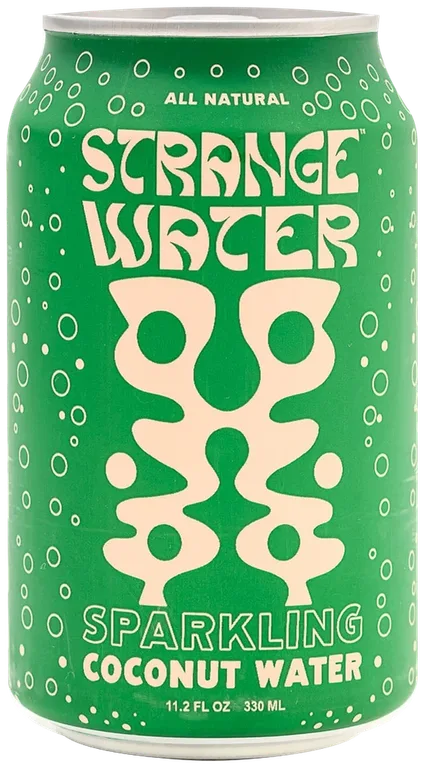
- Strange Water. Sparkling coconut water, for when you want something lighter than soda.
- DRAM Citrus and Blossoms. A sparkling water with citrus and botanicals.
Curious how these differ? Read prebiotic vs probiotic soda and healthy soda alternatives.
Try a few before you buy a case
Most of these drinks come from small brands, and many come in packs of 12 or more. That is a lot of cans to commit to before you know if you like the taste, or how the bubbles feel for you.
finds box mixes snacks and drinks, with macros listed on every item. Cans are heavy, so if you build your own box, you can add up to 2 drinks alongside your snacks. Pick the ones you are most curious about.
Common questions
Many people do, but regular soda is high in sugar and the bubbles can feel uncomfortable. Low-sugar options like protein soda or fiber soda are popular swaps.
Many people do. Watch sugary add-ins, and ask your care team about caffeine for your plan.
When you build your own box, you can add up to 2 drinks, since cans are heavy. The rest of the box is snacks.